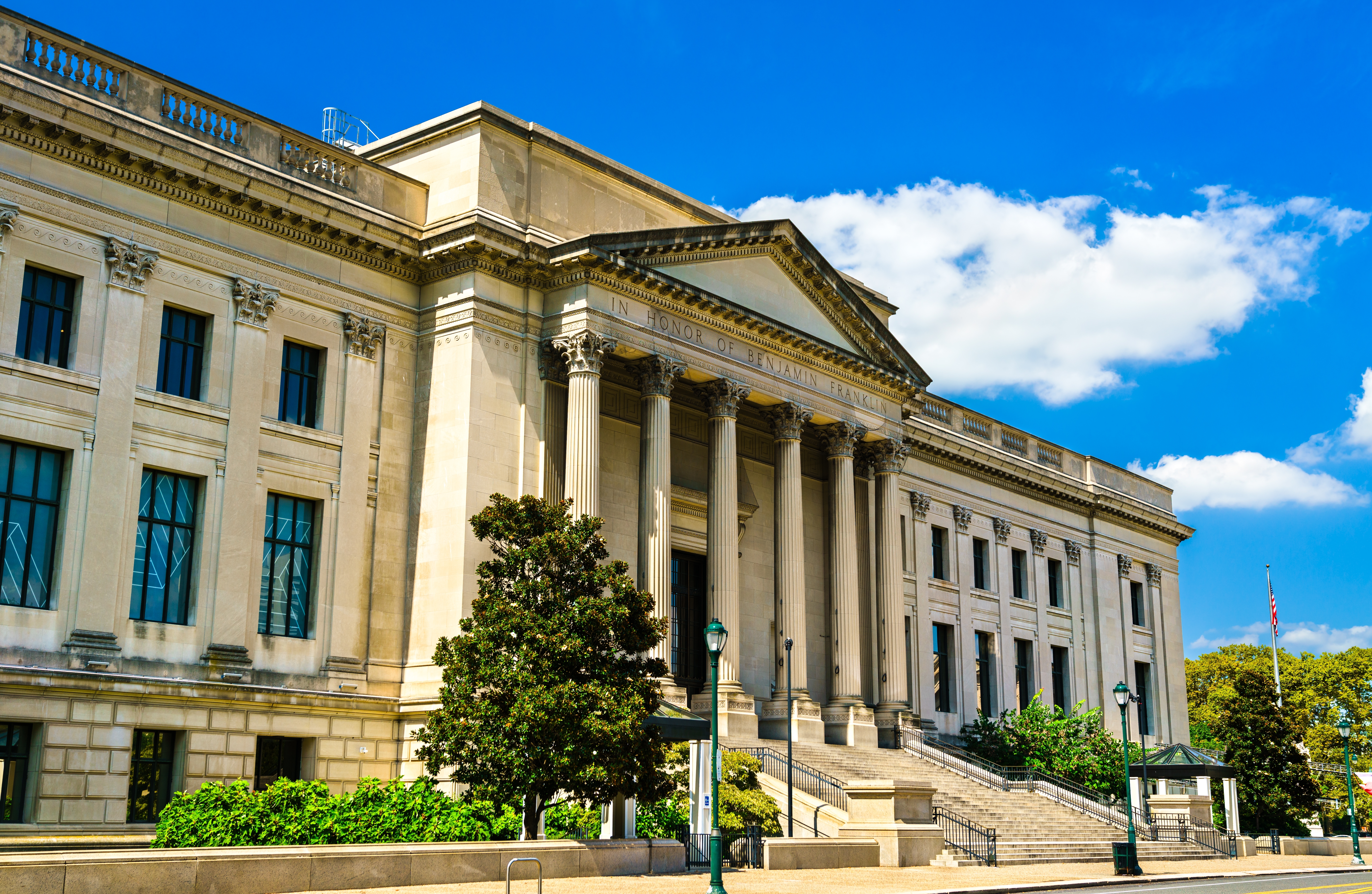
Hospitals
Greater Philadelphia hosts approximately 106 hospitals that includes 10 medical centers. The region also features four National Cancer Institute (NCI)-designated cancer centers and seven children’s hospitals.

As a premier global destination for biomedical research, Greater Philadelphia, familiarly known as Cellicon Valley, is a world-class leader in cell and gene therapy and precision medicine.
The region’s life sciences ecosystem is anchored by the University of Pennsylvania and Children's Hospital of Philadelphia (CHOP), which serve as a high-powered engine for academic research and technology transfer.
Philadelphia consistently ranks as a top-tier US market for NIH funding and life sciences venture capital, fueling a robust pipeline of biotechnology startups and clinical-stage companies. The presence of global pharmaceutical giants like GSK, Johnson & Johnson and Merck provides a dense network of corporate expertise and strategic partnership opportunities.
Innovators in medical device development and diagnostics thrive here, supported by specialized hubs like the University City Science Center and the Navy Yard.
Rapid expansion in cGMP manufacturing and specialized wet lab space ensures that breakthroughs move seamlessly from discovery to commercialization. Furthermore, the city's healthcare innovation is bolstered by a concentration of 15 major health systems and prestigious institutions like the Wistar Institute. This collaborative environment attracts a diverse STEM talent pipeline, making Philadelphia a competitive choice for international firms seeking to scale in North America.
With its strategic East Coast location and lower cost of living compared to other biotech hubs, the region offers a sustainable model for long-term bio-manufacturing and R&D growth.

Greater Philadelphia hosts approximately 106 hospitals that includes 10 medical centers. The region also features four National Cancer Institute (NCI)-designated cancer centers and seven children’s hospitals.
The region is anchored by top-tier research institutions such as the University of Pennsylvania, Temple University, Drexel University, Thomas Jefferson University and others, all driving significant R&D investment and talent cultivation. Additionally, the University City Science Center, the US’s first and largest urban research park (27-acre uCity Square campus), has supported the creation of 12,000 jobs and contributes over $13 billion annually to Philadelphia’s economy.
Healthcare and life sciences initiatives in the region received $1.4 billion in NIH funding in 2024, the seventh highest in the US.
From 2019 to 2024, life sciences companies in Philadelphia secured over $6.5 billion in venture capital, the 8th highest total globally. In 2024 alone, they raised $688 million, ranking 9th among global metro areas.
There are 1,200 life science companies in Greater Philadelphia.
Biopharmaceutical giants in the city include AstraZeneca, GSK and Merck.
Philadelphia also hosts branches or offices of Teleflex Medical, located in Wayne, PA, and Siemens Healthineers, based in Malvern, PA
There are over 3,500 clinical studies occurring in Philadelphia currently.
Philadelphia, Pennsylvania, United States

In 2024, the life sciences sector employed approximately 25,300 workers locally. Across the greater Philadelphia region, there are between 55,000 to over 88,000 workers in life sciences roles.
The city has 11.6 million ft² of life sciences lab space, with 1.4 million ft² under construction.
Claim Profile to Update Website
Claim Profile to Update Contact Information
Claim Your Profile to Add Related Links
Claim Your Profile to add downloadable documentation
https://pharmaville.com/wp-content/uploads/2025/10/Pharmaville-Philadelphia-references-1.pdf